
Advanced Genetic Testing: Decoding the Blueprint of Your Fertility
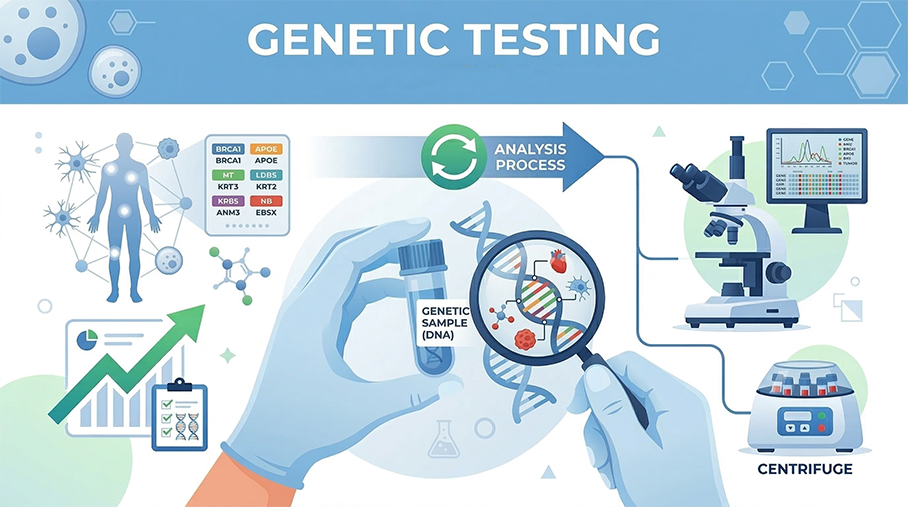
Sometimes the hurdles to conception are hidden within our DNA. Genetic testing at Aikya Fertility allows us to examine chromosomal structures and specific gene sequences that may be causing recurrent miscarriages or severe male factor infertility. By understanding your genetic blueprint, we can tailor a treatment plan—such as IVF with PGT—to ensure a healthy future for your child.
About This Treatment
What you need to know
Understanding Genetic Diagnostics
Genetic factors contribute to approximately 15% of all male infertility cases and a significant portion of female reproductive challenges. These tests go beyond physical exams and hormone levels to look at the “code” that builds the human body. Whether it is a missing piece of a chromosome or an extra one, identifying these issues early helps us bypass years of trial and error in fertility treatments.
Key Genetic Tests at Aikya
- Peripheral Blood Karyotyping: A foundational test that examines the number and structure of your chromosomes to detect abnormalities like Klinefelter Syndrome (XXY) or Translocations.
- Y-Chromosome Micro-deletion (YCM): Specifically for men with very low sperm counts, this test checks for missing “blueprints” on the Y-chromosome responsible for sperm production.
- Cystic Fibrosis Gene Mutation: Essential for men with congenital absence of the vas deferens (CBAVD).
- Preimplantation Genetic Testing (PGT): Performed on embryos during an IVF cycle to screen for chromosomal abnormalities before transfer, significantly reducing the risk of miscarriage.
- Thrombophilia Profile: Genetic screening for blood clotting disorders that can interfere with embryo implantation or cause late-term pregnancy issues.
Precision & Counseling
At Aikya, we believe genetic information must be handled with care. Every genetic test is accompanied by Genetic Counseling. Our specialists help you understand what the results mean for your health, your treatment options, and your future children. We use high-fidelity genomic sequencing (NGS) to ensure that the data we provide is both accurate and actionable.
Why Choose Aikya for Genetic Testing?
- Specialized Fertility Panels: We focus only on the genetic markers that impact reproduction.
- Integrated IVF Lab: If a genetic issue is found, our lab is fully equipped to perform PGT-A or PGT-M on your embryos.
- Compassionate Counseling: We guide you through the emotional aspects of genetic findings with sensitivity.
- Expert Interpretation: Results are analyzed by clinical geneticists who specialize in reproductive medicine.
Treatment Process
Step-by-step journey to better health
Pre-Test Counseling
Understanding why the test is needed and what the potential outcomes could be.
Blood Sample Collection
A standard blood draw at our clinic.
DNA Extraction
Our lab isolates DNA from your white blood cells for analysis.
Sequencing & Analysis
Advanced machinery reads your chromosomal or gene sequences.
Detailed Report
A comprehensive breakdown of findings, including any detected mutations or deletions.
Post-Test Review
A deep-dive session with our specialist to plan your IVF or conception strategy based on the results.
Key Benefits
Why patients choose this treatment
Who Should Consider This?
Is this treatment right for you?
Couples with a history of recurrent pregnancy loss, men with severe Oligospermia or Azoospermia, individuals with a family history of hereditary diseases, and women with premature ovarian failure.
Important Considerations
What to discuss with your doctor
Please consult our specialists to understand how these considerations apply to your individual case.
Genetic testing is a non-invasive blood test, but it carries significant implications:
- The Waiting Period: Unlike blood sugar or hormone tests, genetic sequencing takes time (usually 2 weeks) due to the complexity of the analysis.
- Information for Relatives: Because genetics are shared, a result for you might have implications for your siblings or other family members.
- Fixed Results: Unlike hormones, your genetics do not change. Once a test is done, it provides a permanent roadmap for your treatment.
Frequently Asked Questions
Answers to common questions
Sometimes. Certain genetic issues, like chromosomal translocations, can cause “secondary infertility” or recurrent losses even after a successful first pregnancy.
We cannot change your DNA, but we can often work around the defect. For example, if a man has a Y-deletion, we can use ICSI to achieve pregnancy.
No, it is a simple blood test, just like a routine check-up.
Absolutely. We follow strict medical privacy protocols to ensure your genetic information is only accessible to you and your treating consultant.