

Bringing Science To Life!

NABH Accredited

Blog

Home About Us Blog

What Are The Genetic Causes of Female Infertility?

blog

What Does Female Infertility mean?

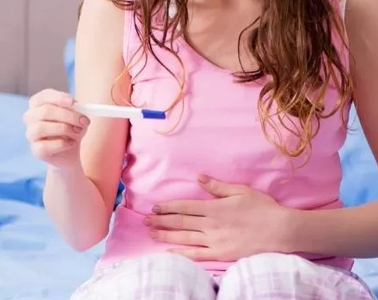
Infertility is generally understood to be the inability to conceive after one year (or more) of unprotected intercourse. Some healthcare professionals assess and treat women aged 35 or older after six months of unprotected intercourse because it is known that women's fertility declines progressively with age.

Can Genetics Cause Female Infertility?

Genetic issues cause many women to have trouble becoming pregnant and giving birth to healthy children. This can occasionally be a result of an inherited chromosomal disorder. Sometimes the reason is a single-gene defect that is inherited from one parent to the next. When one or more genes undergo mutation, the normal DNA sequence might be partially or completely changed, resulting in genetic illnesses and diseases.

According to studies, the reason for infertility in certain couples seeking infertility treatment may also be influenced by chromosomal abnormalities and single gene mutations. In 2002, the Italian community of specialists in reproductive medicine set out to define criteria for the proper application of genetic testing to infertile couples. Ovulatory diseases, including Kallmann syndrome and fragile X syndrome, karyotype abnormalities, and primary ciliary dyskinesia, are among the genetic reasons for female infertility.

What Are The Genetic Causes of Female Infertility?

The medical term for infertility is failure to conceive following regular sexual activity within six months for women over 35 and one year for women under 35. Between 7% and 15% of couples have infertility. Infertility has a variety of causes, with estimates placing the female component as the cause in up to 37% of couples and the combined male and female factors in 35% of couples. Genetic components can be one of several reasons for female infertility. Several hereditary reasons for female infertility are listed below:

  • Ovulatory problems, chromosomal issues, endometriosis, pelvic adhesions, tubal blockages and other tubal abnormalities, and hyperprolactinemia are among the factors that contribute to female infertility. As many as 10% of infertile females and 15% of infertile men may have genetic defects, according to a reliable source.
  • Chromosomal anomalies: Some chromosomal anomalies might make females infertile. For instance, disorders like Klinefelter syndrome (XXY) and Turner syndrome (monosomy X) might have an impact on ovarian development and function.
  • Premature ovarian insufficiency: When the ovaries cease working normally before the age of 40, the condition is known as premature ovarian insufficiency, or POI. It may have a hereditary origin and be linked to abnormalities in genes that control hormone production and ovarian development. Although the precise origin is not entirely understood, there is evidence that it has a hereditary component. There may be a greater chance for women with PCOS to have family members who also have the illness, indicating a possible genetic component.
  • Single Gene Mutations: Certain types of gene mutations can make a woman infertile. For instance, ovarian insufficiency can occur in those who carry the FMR1 gene mutation, which is linked to Fragile X syndrome.
  • Endocrine diseases: Because of hormonal imbalances, genetic endocrine diseases such as congenital adrenal hyperplasia or androgen insensitivity syndrome can influence fertility.
  • Mayer-Rokitansky-Küster-Hauser Syndrome, also known as Mullerian Agenesis: This disorder, which causes infertility, is characterised by the uterus and vagina's inadequate development. It could have genetic roots.
  • Hereditary Thrombophilia: Certain genetic disorders that raise the risk of blood clot formation, including the Factor V Leiden mutation, may lead to pregnancy problems and impair fertility.
  • Cystic Fibrosis: Due to thicker cervical mucus and other challenges associated with the disorder, women who have cystic fibrosis may experience problems conceiving.

However, it's extremely important to remember that not all cases of female infertility are brought on by hereditary issues. Fertility issues can also result from environmental, lifestyle, and other medical disorders. It's critical that a woman and her spouse get medical assessment and counselling from a fertility expert if she or he is having trouble getting pregnant in order to determine the precise problem and consider available treatments. To ascertain if hereditary factors are contributing to infertility, genetic testing may be advised in some circumstances.

How To Treat Genetic Female Infertility Disorders

The importance of genetic counselling cannot be overstated when addressing genetic illnesses. A genetic counsellor can offer details on the particular genetic issue, its pattern of inheritance, and the possibility of passing it on to future generations. They can talk about prospective therapies as well as the various testing possibilities.

It can be difficult to treat genetic conditions that lead to female infertility, and the strategy used may change based on the condition's unique genetics and underlying processes. Here are some broad ideas to think about:

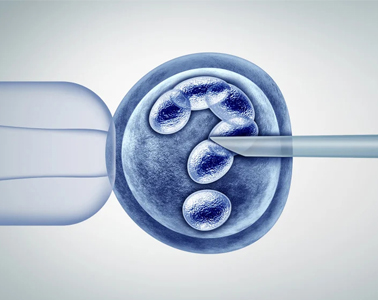
  • Assisted Reproductive Technologies (ART): In some circumstances, ART can be used to aid women who have genetic problems getting pregnant. Preimplantation genetic testing (PGT) is a technique that may be used to screen embryos for particular genetic disorders prior to implantation.
  • Donation of Eggs or Embryos: If the woman's eggs are affected by the genetic condition, she may think about utilising donor eggs or embryos from a healthy donor to conceive.
  • Gestational surrogacy may be a viable option in situations where the woman's uterus is impacted by the genetic disease. In this method, a surrogate's uterus is used to bear the child after the woman's embryos are put there.
  • Hormone replacement therapy: Some genetic abnormalities might result in hormonal imbalances that impact ovulation and fertility. Hormone treatment may assist in regulating the hormonal milieu and enhancing fertility when administered under the supervision of a fertility professional
  • Surgical Interventions: In some circumstances, it may be required to have surgery to treat anatomical problems that are causing infertility. For instance, certain anatomical anomalies affecting the reproductive organs may be treated with surgery.
  • Clinical Trials and Experimental Therapies: Depending on the genetic disease, there may be clinical trials or experimental therapies available. These approaches ought to be considered by medical professionals and implemented within the proper ethical constraints.
  • Addressing the underlying medical conditions: For some hereditary abnormalities, treating the underlying medical issues might enhance reproductive results. Women who have PCOS, for instance, may benefit from dietary adjustments, weight control, and insulin control.
  • Alternative Family Planning: Alternative family planning alternatives like adoption or fostering can be taken into consideration in some situations where pregnancy may not be possible or advised owing to the severity of the genetic disease.

Working closely with a reproductive endocrinologist or fertility expert with experience treating female infertility and genetic problems is crucial. Based on the patient's unique genetic situation and general health, they can modify a therapy strategy. In addition, assistance with genetic decisions and support during the procedure may be quite helpful.