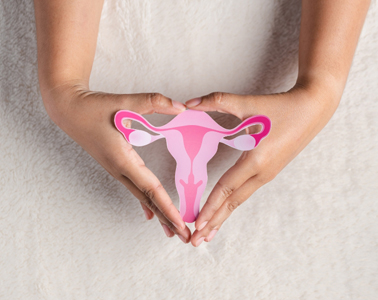


Infertility
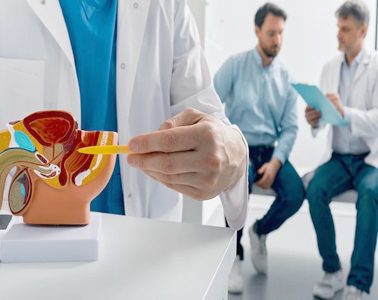
As we all know, recently there has been an alarming increase in the case of infertility. Infertility is a medical condition troubling both men and women alike. A large number of people are unable to start their own biological family due to infertility issues. Infertility has a huge negative impact on the person’s overall physical and mental health.
With advancement in science and medicine, In vitro fertilization (IVF) started a few years ago to address the infertility issue which could not be addressed with other treatment methods. In vitro fertilization also commonly referred to as IVF is a type of Assisted Reproductive Technology, i.e., ART which is used as treatment for people with infertility issues.
So, first before knowing the success, efficacy, failure, and other details of IVF, let us try to understand what is IVF. Let us get started,
Introduction To IVF
In vitro fertilisation or IVF is a treatment method/process employed in treating patients with infertility. First successful in vitro fertilization in the world was in 1978. From then on IVF has successfully helped many childless couples struggling with infertility in having their own healthy babies. Most often, IVF is usually not suggested for all infertile couple, its advised based on couple's clinical profile.
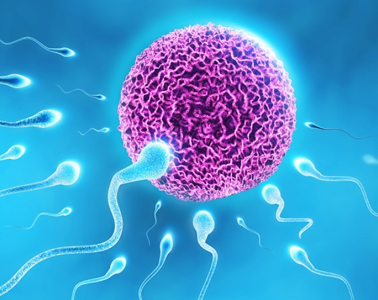
In IVF procedure, fertilization i. e, sperm fertilizes egg outside the body in a laboratory to produce an embryo. Once the embryo is produced it is introduced into the female partner’s womb/uterus.
To understand the IVF a little better with more detailing, let us have a look at the process of IVF in a step-by-step pattern:
- Preparation: The first step in IVF, couple is advised to follow healthy lifestyle. Along with it they are put on anti oxidant medications to improve gametes quality. So, this preparation phase lasts for about 4 weeks.
- Controlled Ovarian Stimulation: Female patient is put on hormonal injections (medication ) for about 10 to 12 days with serial scan monitoring, which stimulates ovaries to produce more eggs.
- Retrieval of the egg: Next important step in IVF, once the eggs are readyor mature,eggs are retrieved from the ovaries under aneasthesia with the help of a small needle attached to scan probe.
- Collection of Sperm: Then in the next step, sperm is collected from the partner or donor.
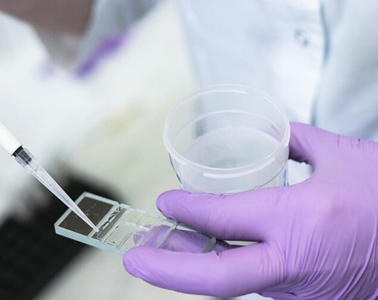
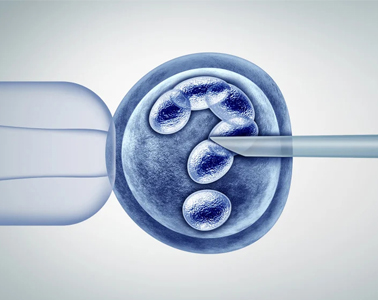
- Fertilisation: Sperms and the retrieved eggs are placed together in a lab dish and observed for fertilization. Sperms can either be injected directly to the eggs. This process is known as (ICSI) Intra Cytoplasmic Sperm Injection.
- Embryo culture: The fertilised eggs, i.e., the embryos areobserved in lab everyday. The embryos are cultured in laboratory usually for five days and then frozen using liquid nitrogen.
- Then after this step, in the next menstrual cycle female partner is advised oral hormonal medications to prepare uterine lining to transfer embryos. Either one healthy embryo or two embryos are transferred into uterus once the lining is suitable to carry pregnancy.This is rather a simple and straightforward procedure, which is most often done without the need of anaesthesia.
- Pregnancy Test: After about 15 days of embryo transfer, a pregnancy test is conducted to ascertain the results of the IVF procedure.
IVF Failure Symptoms
There are many factors that contribute to the failure of successful IVF. There are a lot of variables involved in ensuring a successful healthy pregnancy starting from the age of the woman, to the procedures, to underlying health issues, to the quality of the eggs and sperm. An IVF pregnancy requires both money and time in hand. For IVF to be successful, the patient would need to be ready mentally and physically for time and money, as it may require several rounds of the hospital visit.
The success rate of IVF varies greatly based on a large number of variables, such as the age of the woman, infertility reasons, the efficiency and expertise of the medical team, the quality of sperms used, the techniques employed, etc. Here it is important to note that there is a higher chance of successful IVF in younger women as opposed to theelderly women.
The most commonly noted IVF failure symptoms may be
- Lack of pregnancy symptoms: If there are no symptoms suggestive of pregnancy like the early signs of pregnancy which are breast tenderness, nausea/vomiting, fatigue, then it could be a symptom of failed IVF.
- Pregnancy Test: Even after the IVF procedure, a negative pregnancy test is one of the symptoms of IVF failure.
- Menstruation: After the above-mentioned steps of IVF, if the patient happens to have her menstrual cycle, it is an indicator of failure of IVF.
- Lower Back Pain: If the same kind of lower back pain experienced by women during menstrual cycle is noted in the patient with IVF, then it indicates symptom of IVF failure.
- Spotting: If the embryo has not been implanted properly, there could be very little bleeding also known as spotting and spotting is also a symptom of IVF failure.
On A Final Note
IVF (in vitro fertilization) has been a boon and great hope for many childless couples planning to have their own kids. As with everything, IVF also has pros and cons. There are undoubtedly chances of failure, but despite this, IVF remains the option for the couples with infertility. As there are many successful fruitful IVF cases as well. Due to the advancement of medical care through technology, the success rates of IVF are improving. IVF has been a major turning point in the medical field, bringing smiles on the faces of many childless couples.
It is important to note and remember that one failed IVF is not the end of the world. The next one could be successfull by ensuring to be more careful along with learning from the previous episode. Stay positive, stay calm, and trust the process of IVF.