

Bringing Science To Life!

NABH Accredited

Blog

Home About Us Blog

Here’s All That You Need To Know About Ovulation Problems And Infertility

blog

What is ovulation?

An egg (or ovum) is released from one of the ovaries during the ovulation phase of the female menstrual cycle. It usually happens two weeks or so before the beginning of the menstrual cycle.

During a woman's menstrual cycle, ovulation occurs naturally when an egg that is ready for fertilisation is released from the ovary. Although the precise date might vary from woman to woman, ovulation normally takes place during a woman's menstrual cycle.

The natural ovulation process might be hampered by hormonal imbalances. For instance, ovulation might be hampered by hyperprolactinemia, a condition marked by elevated levels of the hormone prolactin. Aside from that, ovulation can be impacted by conditions affecting the thyroid or adrenal glands.

Ovulation issues, however, can cause infertility or make it difficult for certain women to conceive. Several typical problems with ovulation and infertility are listed below:


Disorders involving ovulation

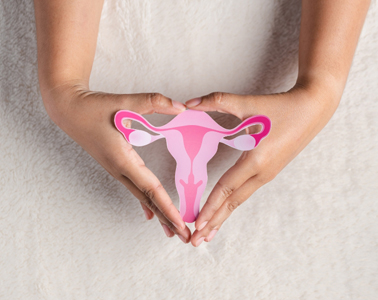
The majority of infertility cases are caused by irregular or nonexistent ovulation. Ovulation abnormalities may result from issues with the ovary, the pituitary gland, or the hypothalamus, which regulates reproductive hormones, or from issues with the brain. Below are some of the most common ovulation disorders:

  • Primary ovarian insufficiency: A woman's ovaries cease to function before the age of 40 due to POI, also known as premature ovarian failure. Normally, women over the age of 40 start to have irregular periods as an indication of impaired fertility, but this shift happens much earlier, even impacting women in their early teens. Aside from discomfort during sexual activity, POI may also cause a loss of sexual desire, lack of focus, night sweats, and irritability, resulting in reduction in the quantity and quality of eggs. Infertility or trouble conceiving may come from this.
  • Polycystic ovary syndrome: You may get infrequent, lengthy, or rare periods if you have polycystic ovary syndrome. Too much androgen, a masculine hormone, is frequently the outcome. A huge number of tiny fluid sacs form on the ovaries. They might stop constantly releasing eggs.
    Hormone abnormalities are a common factor in women with ovulation issues. Polycystic ovarian syndrome is a disorder that affects hormone levels. Along with the pituitary and hypothalamus, the ovaries can also be the site of other ovulation issues. The menstrual cycle is regulated by the hormones it produces. Proper ovulation requires these chemicals. Gonadotropin-releasing hormone (GnRH) production by the hypothalamus may be insufficient. To create luteinizing hormone and follicle-stimulating hormone, which stimulate the ovaries during ovulation, the pituitary gland has to be stimulated by GnRH.
  • Ovulation irregularity: Ovulation may not take place regularly or at set intervals in the menstrual cycles of some women. The difficulty of conception might be increased by irregular ovulation, which can make it difficult to identify the fertile window.
  • Anovulatory failure: Anovulatory failure is the lack of ovulation. In rare situations, women can ovulate irregularly or not at all. Anovulation can be brought on by a variety of reasons, including hormone imbalances, PCOS, stress, excessive exercise, and some medical disorders.
  • Blockage in the fallopian tubes: The fallopian tubes are essential for transporting the egg from the ovary to the uterus. The possibility of fertilization might be decreased if the tubes are clogged or damaged as a result of illnesses including pelvic inflammatory disease (PID), endometriosis, or prior surgery.
  • Age-related Factors: : A woman's fertility normally falls as she gets older because both the quantity and quality of her eggs deteriorate. With ageing comes an increased risk of ovulation issues and infertility, especially beyond the age of 35.

How do I counter ovulation disorder?

Beginning with a comprehensive assessment and diagnosis, treatment options for infertility and reproduction are determined. Although the majority of these causes of infertility can be found and treated, there may be other, unidentified conditions that prevent conception. Patients with a diagnosis of unexplained infertility, fortunately, have a great possibility of success.

Both oral and injectable medicines, sometimes known as fertility treatments, can be used to address ovulatory issues. These drugs induce ovulation, which is the process by which the ovaries make and release eggs.

What is infertility?

The inability to conceive after a year or more of unprotected intercourse is often referred to as infertility. Some healthcare professionals assess and treat women; 35 years of age or older after six months of unprotected intercourse because it is well known that women's fertility declines progressively with age.

FYI: Although these criteria of infertility are employed for data gathering and monitoring, they are not meant to serve as a basis for recommendations for the provision of reproductive care services.

Infertility cure

With the technology being so advanced, there are several ways to assist people with various reproductive concerns. Your unique circumstances and the root cause of your infertility will determine the best solutions for you.

Consult your doctor for an infertility examination and treatment if you haven't been able to get pregnant in a fair amount of time. It's important to assess both you and your partner. A thorough medical history will be taken, and your doctor will do a physical examination.

Below are the two most reliable and most commonly used treatments:

  • IVF: In a laboratory, fertilised eggs from your ovaries are created into embryos by sperm. The embryos are then inserted into your uterus by a doctor.
  • IUI: A quick treatment called intrauterine insemination (IUI) places healthy sperm within your uterus, bringing them closer to your egg.
  • Surrogacy: A surrogate mother carries and delivers a child for a couple or an individual. In vitro fertilisation (IVF) is used to impregnate the surrogate mother, and both the intending parents and the carrier must sign a legal agreement before any medical care can be given.

You should speak with a medical practitioner or a reproductive expert if you are having issues with ovulation or infertility. They may do a complete examination, pinpoint the underlying reason, and provide suitable therapy recommendations that are catered to your particular needs.

Consider scheduling a consultation with a reproductive endocrinologist, a physician who focuses on treating infertility, if you or your partner are having trouble getting pregnant. In cases of recurrent pregnancy loss, which is defined as two or more spontaneous miscarriages, reproductive endocrinologists may also be able to assist the women.

Conclusion

It's crucial to remember that infertility can have a variety of contributing factors and occasionally the explanation is still unclear despite careful examination. A fertility expert provide necessary diagnostic and therapentic option to enjoy pregnancy for infertile couples.