Bringing Science To Life!

NABH Accredited

Blog

Home About Us Blog

Decoding surrogacy and IVF

blog

Many people want to have a biological baby but are unable to do so due to factors such as low sperm count, age, irregular menstruation and so on. It is heartbreaking for people who love to have children, and adoption is not how they wish to be parents to the children.

If you've tried to conceive naturally but have been unsuccessful, you can access a wide choice of reproductive therapies at fertility clinics like IVF and other reproductive procedures that frequently, but not always, enable a potential mother to bear a child on her own.

When they are unable to carry the pregnancy themselves, some intended parents turn to surrogacy to find a suitable recipient.

What is IVF?

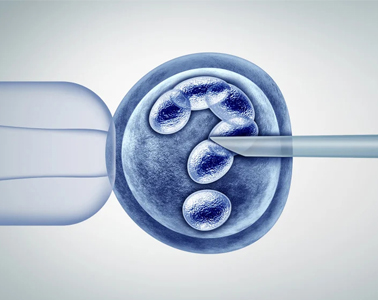
The process of in vitro fertilisation (IVF) entails fertilising an egg in a lab before placing it in a woman's womb to begin the gestation process. This reproductive procedure is the most cutting-edge and successful one accessible right now.

With IVF, an egg is fertilised in a lab before being placed into a woman's womb to begin the gestation process. The most successful fertility therapy currently accessible is IVF; having a child in a woman's womb on someone else's or a couple's behalf is known as surrogacy.

What is surrogacy?

A pregnancy in which a woman bears and delivers a child on behalf of a person who is unable to have children. In a surrogate pregnancy, sperm from a sperm donor is fertilised with eggs from either the mother-to-be or an egg donor to create an embryo.

The surrogate mother's uterus receives the embryo, which is placed there so she may carry the child to term. Infertility caused by some anticancer therapies, such as chemotherapy or radiation therapy, may make surrogate pregnancy a possibility for men or women who wish to start a family but have undergone these treatments.

FYI: Before receiving medical care, potential parents and their carriers must sign a legal agreement.

What are the types of Surrogacy?

  • Gestational surrogacy: How does gestational surrogacy work?

    By carrying a foetus through pregnancy and giving birth on behalf of another person or couple, a person who did not contribute to the egg utilised in fertilisation is said to be acting as a gestational surrogate.

  • Traditional surrogacy: There are certain advantages to traditional surrogacy. Most significantly, when your surrogate uses her eggs, fewer medical procedures are necessary. While IVF may occasionally be necessary, intrauterine insemination, or IUI, is frequently used to carry out conventional surrogacy. IUI is a less difficult process that can further benefit you and your surrogate by lessening the financial and medical hazards of surrogacy.

Who needs to go in for surrogacy?

Through surrogacy, people who may not otherwise be able to have a child who is genetically related to themselves can become parents. A surrogate might be the solution to your infertility issues for a variety of reasons.

If the female is under the age of 35, the pair is deemed infertile if they have tried for at least 12 months; if the female is over 35, the couple must have tried for at least 6 months. Additionally, a female is regarded as infertile if she does not consistently ovulate. According to statistics, people who are of reproductive age are infertile and IVF may often effectively treat many of these situations.

Surrogacy costs depend on the experience, success rates and location of the surrogacy clinic, which also covers the IVF drugs, consultations, investigations, ultrasounds, oocyte collection, IVF lab, embryology, embryo transfer and sperm freezing for a year plus the IVF doctor's payment to the egg donor.

It is preferred over other surrogacy techniques because gestational surrogacy is one of the most effective therapies. Surrogacy is insufficient without the IVF procedure. Eggs and sperm from the male and female partners are separated during gestational surrogacy, and they are then combined for natural fertilisation. Depending on whether the couple can contribute their eggs or frozen fertilised embryos, the entire procedure is carried out.

There is a slight difference between IVF and surrogacy

The goal of both IVF and surrogacy is to help you realise your desire to have children, therefore there aren't many differences between them. The embryo is subsequently returned to the woman's womb through IVF. However, in a surrogacy situation, the embryo is transferred to the surrogate's womb.

Which is a better option? Surrogacy or IVF

The decision between surrogacy and IVF may be extremely personal and complicated. Both alternatives aim to assist infertile couples in starting a family, but which is preferable depends on each individual's circumstances and preferences.

  • Medical condition: If the intended mother is unable to carry a pregnancy, surrogacy should be chosen instead since a surrogate can bear and deliver the child on the couple's behalf. However, IVF would be preferable if the prospective woman could carry a pregnancy while keeping other reproductive factors under control.
  • Legalities: Surrogacy necessitates the completion of several intricate legal processes, including eligibility verification, intended parent matching, identifying a possible surrogate, and more, all of which require expert legal advice. In addition, the price of a surrogate in India is about INR 8,25,000.

On the other hand, IVF is more straightforward to do and doesn't entail any such procedures. IVF is a much more cost-effective choice because the price in India can range from INR 2,50,000 to INR 4,50,000.

Are there any complications associated with IVF and surrogacy?
  • Risks of Surrogacy: The risks of surrogacy include, among others, multiple births, ectopic pregnancy (miscarriage caused by implantation of the fertilised egg in the fallopian tube rather than the uterus), and birth problems in the child. In addition, the genes of the surrogate mother can influence the development of the unborn child, thus a surrogate mother must be carefully selected.
  • Risks of IVF: Given that the outcome of the intervention is uncertain, the emotional pressure is not any less. It is made worse by the fact that the procedure is multi-staged; as a result, the pair must wait to move on to the next step until they are certain that the previous one has been successful. The complications that you go through with IVF are multiple births, OHSS, side effects with medicine intake, ovarian stimulation, etc.

Despite all the above-mentioned issues, becoming a parent is the greatest joy in the world. Choose wisely. Good luck with your parenting!